Get Invasive Plant Management in Fairfield County, CT
Invasive Plant Management services help Fairfield County property owners control and remove unwanted invasive species like knotweed and Japanese honeysuckle, restoring landscape health and safety.
Invasive plant management is an important consideration for property owners in Fairfield County, CT looking to preserve the health and appearance of their landscapes. Whether dealing with aggressive species that threaten native plants or seeking to maintain a well-kept yard, exploring professional services can help develop effective plans tailored to specific property needs. Local contractors offer expertise in identifying invasive plants and implementing strategies to control or remove them, making it easier to maintain a thriving, attractive outdoor space.
Property owners may also find value in comparing different local service providers to find solutions suited to their unique circumstances. Proper invasive plant management can prevent long-term damage, improve property value, and support the overall landscape health. Keep reading to learn more about how experienced local contractors can assist in developing a practical, effective approach to invasive plant control tailored to Fairfield County properties.
- Japanese Knotweed Removal - needed when invasive plants threaten property foundations or obstruct views in neighborhoods across Fairfield County, CT.
- Purple Loosestrife Control - appropriate for wetlands or pond edges where this plant has rapidly taken over native ecosystems.
- Japanese Barberry Clearing - necessary when dense thickets invade residential landscapes or natural wooded areas nearby.
- Hydrilla Management - required for water bodies experiencing invasive aquatic plant overgrowth that impacts recreation or water flow.
- Multiflora Rose Eradication - suitable for overgrown fence lines or abandoned properties where this invasive shrub has spread extensively.
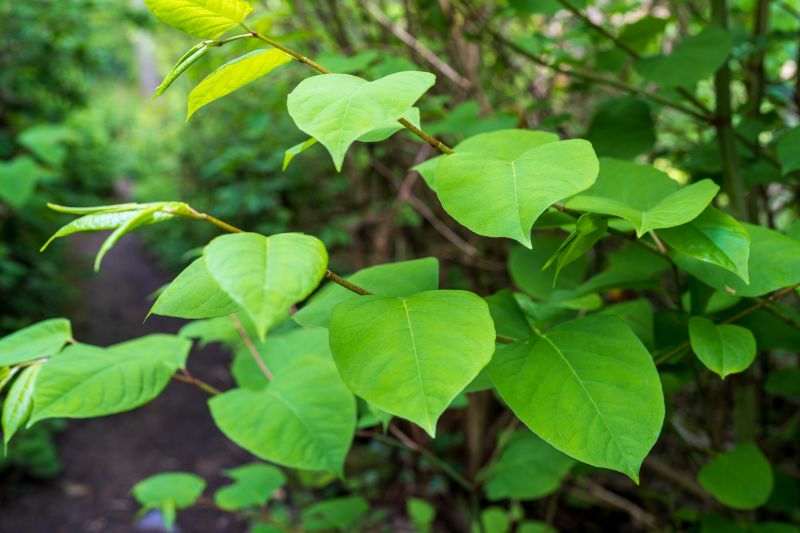

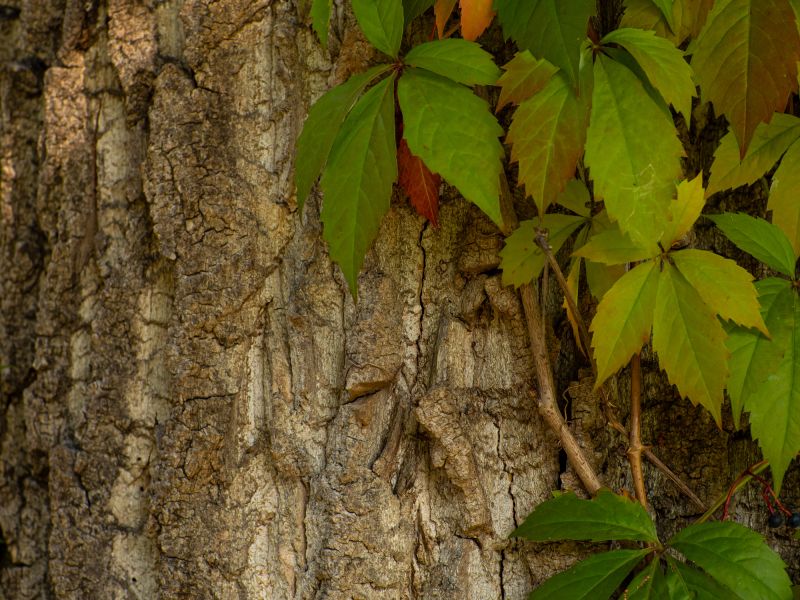
Invasive plant management services involve identifying and removing non-native or problematic plant species that can quickly overtake natural landscapes. These services typically include thorough inspections to locate invasive species, followed by targeted removal methods such as hand-pulling, cutting, or specialized treatments. The goal is to restore the health and balance of native plant communities, prevent the spread of invasive species, and protect the overall appearance and usability of outdoor spaces. Service providers use practical techniques designed to effectively control invasive plants while minimizing impact on surrounding vegetation.
Many property owners turn to invasive plant management when they notice aggressive plants like Japanese knotweed, garlic mustard, or phragmites taking over lawns, gardens, or natural areas. These plants can cause significant problems by choking out native species, damaging structures, or creating unsafe conditions due to their rapid growth. Invasive plants often thrive in disturbed soils or areas with poor drainage, making early intervention crucial. Property owners in residential neighborhoods, commercial properties, parks, or conservation areas may find invasive plant management services essential for maintaining healthy, attractive landscapes.
This service is commonly used on properties that feature large lawns, wooded areas, wetlands, or other natural landscapes where invasive species can quickly become a problem. Homes with extensive gardens or yards that border natural preserves often benefit from invasive plant removal to preserve native plants and maintain curb appeal. Commercial properties, golf courses, and public parks may also utilize these services to control invasive growth that could otherwise interfere with aesthetics or accessibility. Invasive plant management helps property owners keep outdoor spaces safe, functional, and visually appealing by preventing invasive species from taking over.
Property owners who notice an overgrowth of unwanted plants or suspect invasive species are encouraged to seek out local contractors specializing in invasive plant management. These professionals can assess the extent of the problem, recommend appropriate removal strategies, and help develop a plan to prevent future invasions. By working with experienced service providers, property owners can effectively control invasive plants, protect their landscapes, and maintain the beauty and usability of their outdoor spaces. Contacting local experts ensures that invasive plant issues are addressed with practical, proven methods tailored to the specific needs of each property.
The overview below groups typical Invasive Plant Management projects into broad ranges so you can see how smaller, mid-sized, and larger jobs often compare in Fairfield County, CT.
In many markets, a large share of routine jobs stays in the lower and middle ranges, while only a smaller percentage of projects moves into the highest bands when the work is more complex or site conditions are harder than average.
Smaller Removal Jobs - Typical costs for removing invasive plants from small areas or individual plants usually range from $250 to $600. Many routine projects fall within this middle range, depending on the plant type and site conditions.
Moderate Site Treatments - For larger areas requiring treatment or partial removal, costs often range from $1,000 to $3,000. These projects are common for residential properties and commercial landscapes needing targeted management.
Full Site Restoration - Complete removal and restoration of invasive plant populations can cost between $3,500 and $8,000, especially for extensive or heavily infested sites. Fewer projects reach the higher end of this range, typically involving complex or large-scale work.
Large-Scale or Complex Projects - Larger, more complex invasive plant management efforts, such as extensive land clearing or multi-site treatments, can reach $10,000 or more. These are less frequent but are necessary for significant infestations or priority conservation areas.
Actual totals will depend on details like access to the work area, the scope of the project, and the materials selected, so use these as general starting points rather than exact figures.
Landscape Restoration Projects - These projects involve removing unwanted plant species and restoring native vegetation, utilizing similar planning and invasive species removal techniques as invasive plant management services.
Park and Green Space Maintenance - Maintaining public parks and green spaces often requires invasive plant removal to preserve native ecosystems, making the skills and tools used comparable.
Wetland Management Projects - Managing wetlands involves controlling invasive plants that threaten native habitats, requiring similar expertise in plant identification and removal methods.
Tree and Shrub Removal - Removing overgrown or invasive shrubs and trees shares planning and equipment needs with invasive plant control efforts.
Erosion Control Projects - Stabilizing soil and preventing erosion often involves managing invasive plants that compromise landscape stability, using related techniques and tools.
Native Plant Landscaping - Designing landscapes that emphasize native species often requires removing invasive plants beforehand, utilizing comparable planning and removal skills.
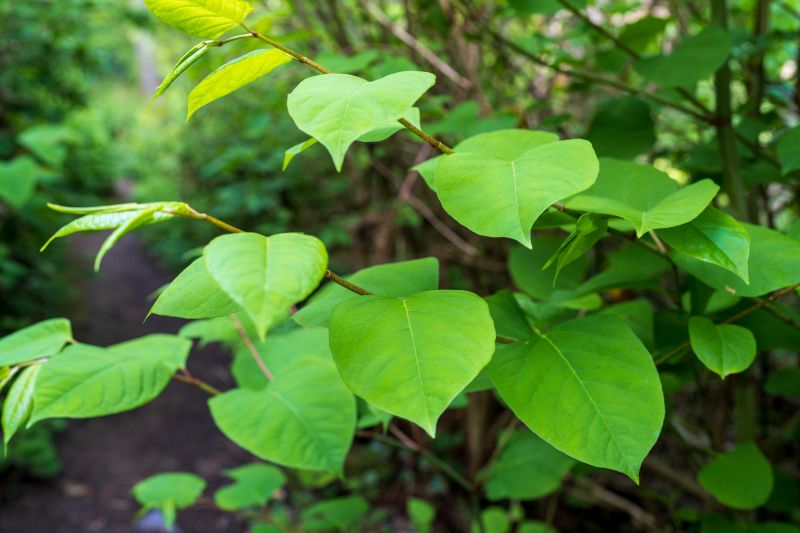
When selecting a service provider for invasive plant management, it’s helpful to consider their experience with similar projects in the Fairfield County area. An established contractor with a track record of handling invasive species common to the region can offer insights into effective strategies and proven methods. Asking about their previous work on comparable sites can provide a sense of their familiarity with local plant types and site conditions, which can contribute to successful outcomes.
Clear, written expectations are essential to ensure that both homeowners and service providers are aligned on the scope of work. A reputable contractor will typically provide detailed descriptions of the services they offer, outlining what is included and any limitations. This transparency helps prevent misunderstandings and ensures that the project goals are well-defined from the outset, making it easier to evaluate whether a particular provider’s approach matches the homeowner’s needs.
Reputable references and good communication are key factors when comparing local contractors. A trusted service provider should be able to share examples of completed projects and contact information for past clients who can speak to their professionalism and quality of work. Additionally, clear and prompt communication throughout the process helps build confidence in a contractor’s reliability and responsiveness. While the site introduces homeowners to local options, it’s important to remember that it does not perform the work itself; rather, it serves as a resource to connect homeowners with qualified service providers capable of managing invasive plant issues effectively.
Property owners in Fairfield County, CT use Invasive Plant Management services for practical projects around their homes and businesses. This guide focuses on everyday jobs and straightforward project options.
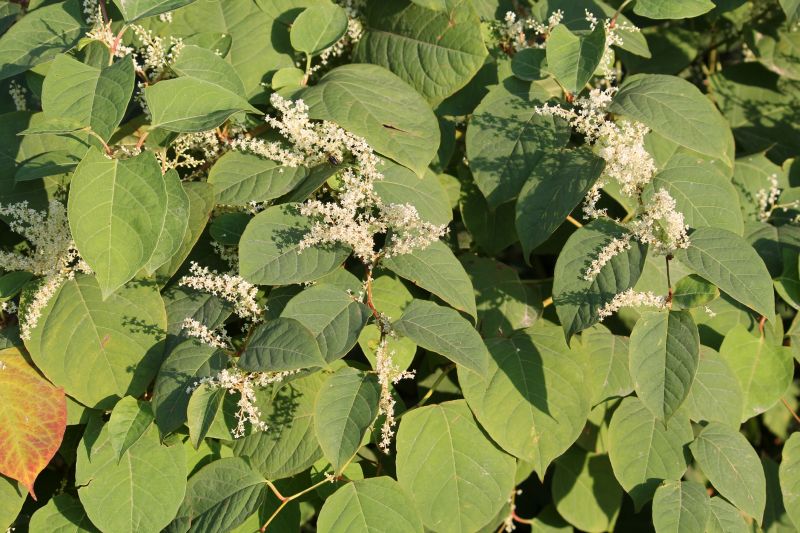
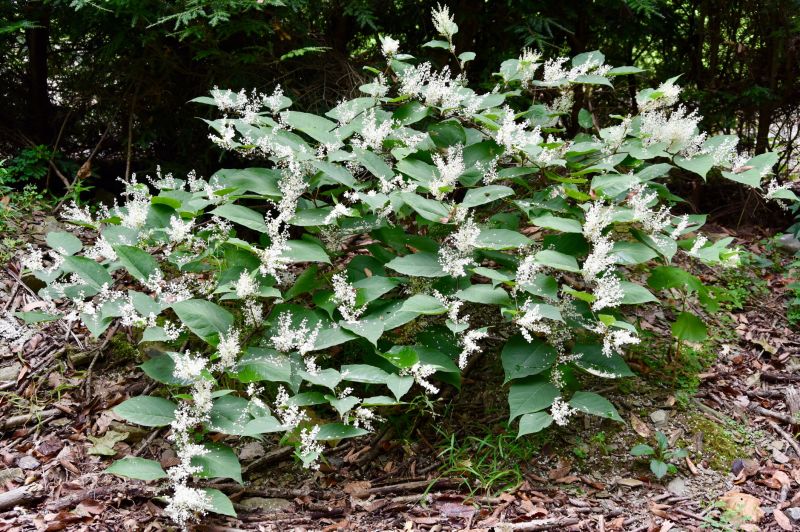
In Fairfield County, property owners often seek invasive plant management services to maintain the health and appearance of their landscapes. Overgrown or unwanted invasive species can quickly take over lawns, gardens, and natural areas, making it difficult to enjoy outdoor spaces or keep them looking their best. Local contractors can help identify problematic plants and develop tailored removal strategies to prevent them from spreading further, ensuring that native plants and desirable landscaping are preserved.
Homeowners and landowners might also look for invasive plant management when dealing with issues like encroaching greenery that threatens to block views, interfere with mowing, or cause damage to structures. Whether managing a residential yard, commercial property, or natural preserve, experienced service providers can assist with targeted removal, ongoing control, and prevention measures. Connecting with local experts ensures that invasive species are handled effectively, helping maintain the beauty and functionality of outdoor spaces in Fairfield County.
What are invasive plant management services? Invasive plant management services involve identifying, controlling, and removing non-native plants that threaten local ecosystems and landscapes in Fairfield County, CT.
How do local contractors handle invasive plant removal? Local contractors assess the extent of invasion, develop tailored removal strategies, and use specialized techniques to manage invasive plants effectively on residential or commercial properties.
What types of invasive plants are commonly managed in Fairfield County? Common invasive plants include Japanese knotweed, purple loosestrife, and mile-a-minute vine, which can be addressed by experienced service providers in the area.
Why is invasive plant management important for property owners? Managing invasive plants helps protect native species, maintain landscape health, and prevent property damage caused by aggressive or invasive growth.
How can I find local service providers for invasive plant management? You can contact local contractors through a lead generation service that connects property owners with qualified professionals in Fairfield County, CT.
Invasive Plant Removal - Property owners can hire local contractors to clear invasive plants from lawns, gardens, or natural areas to promote healthier native growth.
Landscape Restoration - Professionals can assist in restoring native plant communities after invasive species are removed, improving the overall landscape appearance.
Preventive Management - Local service providers can implement ongoing control strategies to prevent invasive plants from taking over new areas.
Site Assessment Services - Property owners can have local experts evaluate their land to identify invasive species and develop customized management plans.
If you are thinking about Invasive Plant Management for a property in Fairfield County, CT, this guide is meant to help you understand the work, the typical project types, and how different options might fit your plans.
When you are ready, you can use the quote form on this page to share a few details about your project. From there, local pros can review the basics and respond with options that match what you have in mind.